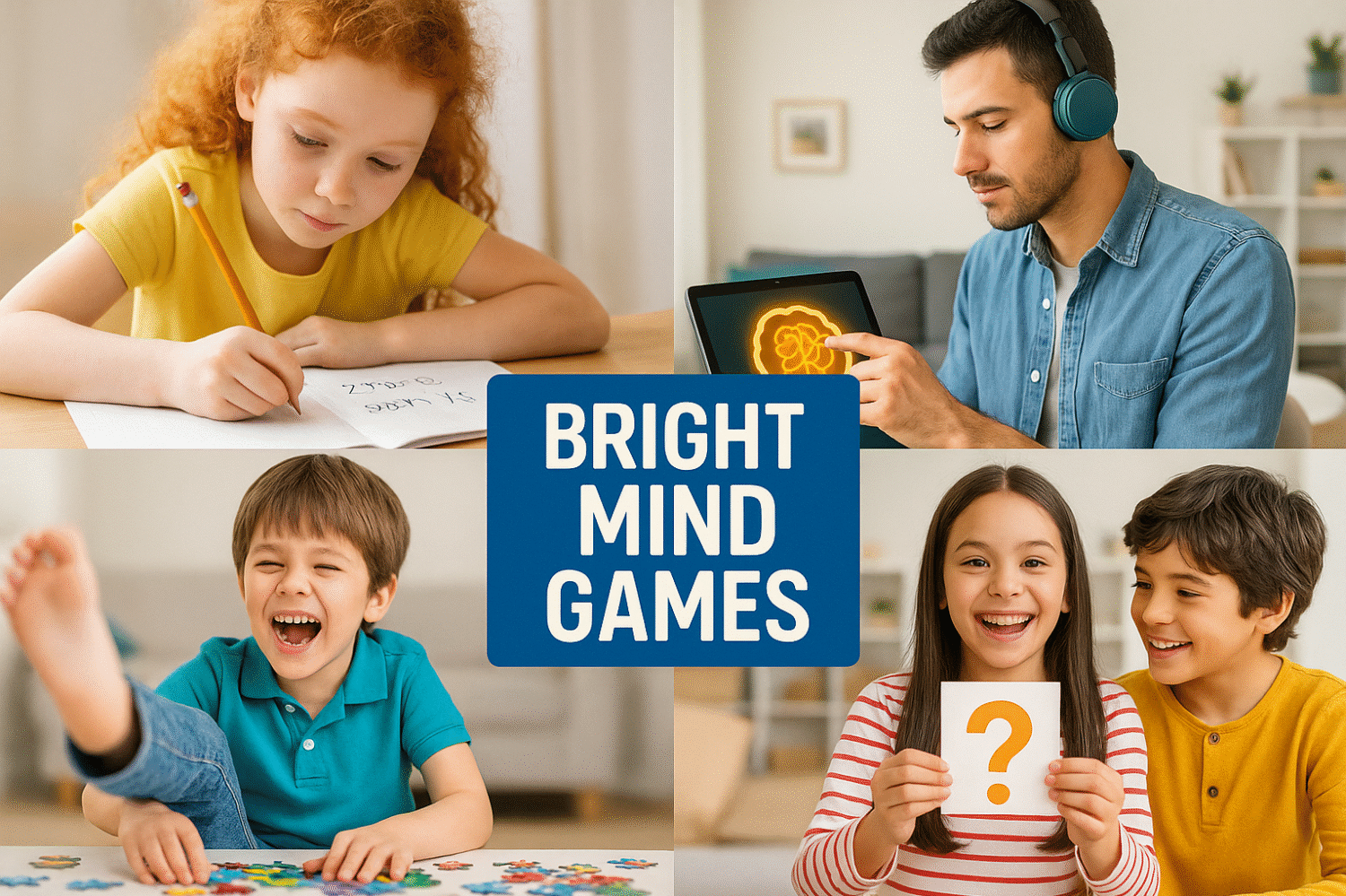
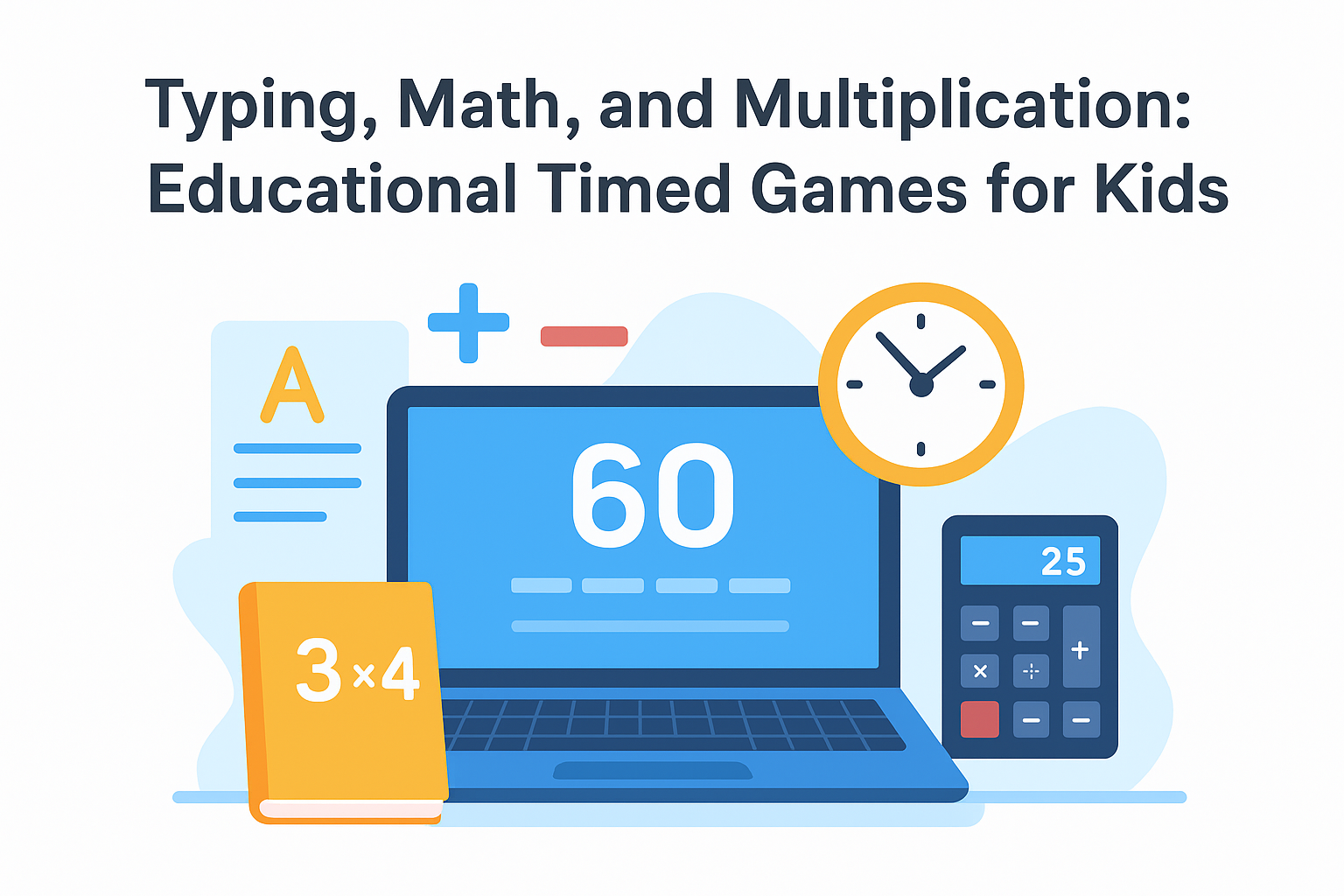
Learning can be fun, but children often need a little push to stay engaged. That’s where educational timed games come in. By adding a countdown clock to simple activities, kids suddenly feel more motivated to focus and act quickly. Timed challenges turn what might feel like boring schoolwork into exciting play. In this article, we’ll explore some of the best typing, math, and multiplication timed games for kids, and how they can make learning both effective and enjoyable.
Why Timed Games Help Kids Learn
Children respond well to games because they blend fun with structure. When you introduce a timer, kids get a sense of urgency that encourages focus. The limited time helps reduce distractions and builds discipline. Most importantly, winning against the clock brings a sense of accomplishment. Timed games also prepare children for real-life situations where they’ll need to think and act under pressure.
1. Typing Timed Games
Typing is an essential skill in today’s digital world. Timed typing games encourage children to learn keyboard layouts, improve accuracy, and increase speed. Websites like Typing.com, NitroType, and 10FastFingers offer free challenges that kids can try at home or in school. These games reward quick fingers and precision, making them a favorite among students who love friendly competition.
2. Math Timed Games
Math is often seen as intimidating, but timed games can change that perspective. Instead of long worksheets, children face short bursts of arithmetic challenges. They might solve addition or subtraction problems within 30 seconds, or race against classmates to complete multiplication tables. The pressure of the timer transforms math into a puzzle-solving activity, helping kids build confidence.
3. Multiplication Timed Games
Among math skills, multiplication often needs the most practice. Multiplication timed games let kids master their tables without endless repetition. For example, online platforms like CoolMath Games or SplashLearn use bright visuals and countdowns to make multiplication drills enjoyable. Kids compete with themselves to beat their own high scores, which keeps motivation high.
4. Puzzle-Based Learning with Timers
Beyond typing and math, puzzles are another effective tool. Memory matching games, number sorting, and logic puzzles with timers teach problem-solving in a playful way. When kids race against the clock, they learn to make faster decisions without overthinking. This builds confidence while keeping them engaged.
5. Group Challenges for Classrooms
Teachers often use timed games in classrooms to encourage participation. A multiplication relay, typing speed contest, or math flashcard challenge can make the whole class excited about learning. By turning lessons into group competitions, students support and cheer each other, which makes the experience even more positive.
Benefits of Educational Timed Games
-
Focus improvement – Kids stay locked in on the task until the timer ends.
-
Confidence building – Success against the clock boosts self-esteem.
-
Healthy competition – Children learn to challenge themselves and peers constructively.
-
Skill reinforcement – Frequent repetition under time limits strengthens memory.
-
Fun learning – Kids view learning as a game rather than a chore.
Tips for Parents and Teachers
-
Keep sessions short to avoid stress.
-
Start with longer time limits, then gradually shorten them.
-
Celebrate small wins to keep children motivated.
-
Encourage practice without focusing only on speed.
-
Mix different games—typing, math, and puzzles—to keep variety.
Wrapping It Up
Typing, math, and multiplication timed games for kids bring excitement into the learning process. Instead of forcing children through repetitive drills, educators and parents can introduce playful challenges with countdowns. Kids enjoy the thrill of racing the clock, while still learning essential skills they’ll use for life. The combination of fun, pressure, and learning makes timed games one of the most effective educational tools available today. Next time your child resists math homework or keyboard practice, try a free timed game—you’ll see their focus and enthusiasm soar.